Maintaining good oral hygiene is essential to prevent gum disease and cavities. Brushing effectively removes plaque, the sticky film of bacteria that causes gum inflammation (gingivitis) and tooth decay. Today, people can choose between manual toothbrushes and electric (powered) toothbrushes. Manual brushes are simple and affordable, while electric brushes use motorized heads that move rapidly. Many dental experts and patients wonder which type is superior for cleaning teeth. In general, the bulk of research suggests electric brushes tend to remove more plaque and reduce gum inflammation more effectively than manual brushes. In the words of Dr. Sachin, a practicing dentist, “Electric toothbrushes are better in every aspect – they clean teeth more thoroughly, are easier to use properly, and even help protect your gums.” This article will examine the evidence on cleaning effectiveness, ease of use, special situations (like children, braces, or sensitive gums), long-term oral health, safety, and cost, giving readers clear, evidence-based advice.
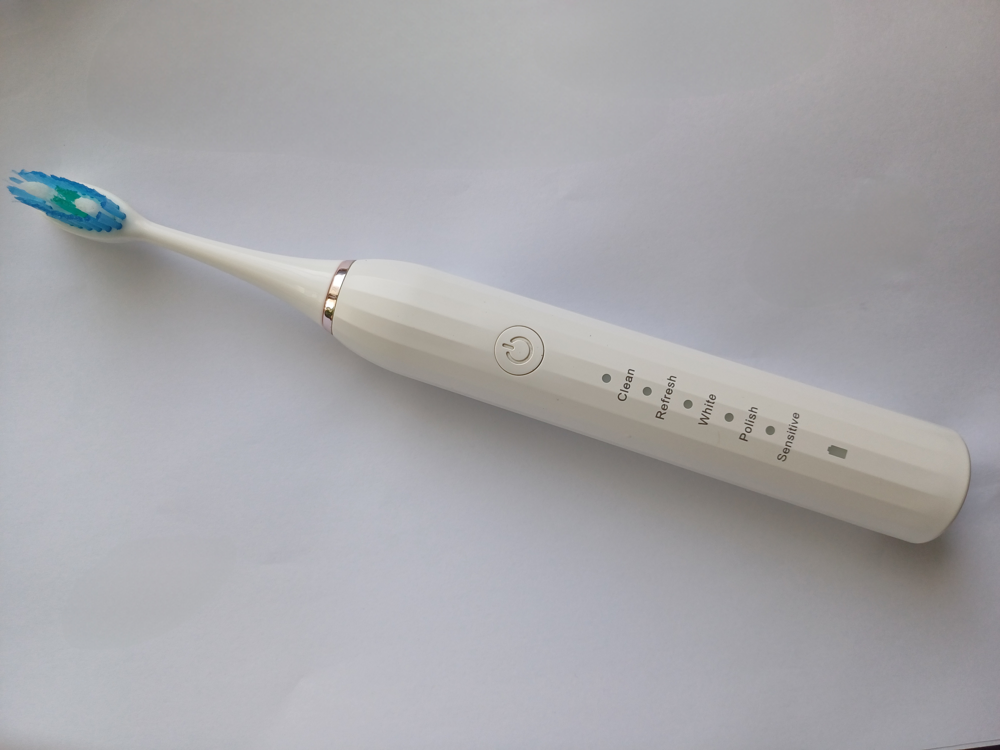
Electric toothbrushes (like the one shown here) often come with features such as multiple cleaning modes and built-in timers that can help improve brushing effectiveness. They aim to remove plaque more efficiently than a manual brush with back-and-forth strokes.
Cleaning Effectiveness (Plaque and Gum Health)
Scientific reviews generally find that electric toothbrushes are more effective at cleaning teeth than manual brushes. A major Cochrane analysis of over 5,000 people in 56 trials reported that powered brushes reduced plaque by roughly 11–21% more and gingivitis by 6–11% more than manual brushes over 1–3 months. In fact, this review concluded “Powered toothbrushes reduce plaque and gingivitis more than manual toothbrushing in the short and long term”. Supporting this, a 2022 systematic review with high-quality evidence stated there is “high certainty for a small effect of a [powered] toothbrush over a manual toothbrush,” and recommended that powered toothbrushes be considered the first choice for daily plaque removal ( The efficacy of powered toothbrushes: A systematic review and network meta‐analysis – PMC ) .
These findings are reinforced across age groups. For example, a study in children found that an oscillating-rotating electric brush removed 32% more plaque in preschoolers and 52% more plaque in older kids than a manual brush ( Randomised clinical study of plaque removal efficacy of an electric toothbrush in primary and mixed dentition – PMC ). Dr. Sachin notes that electric brushes’ rapid motions and special bristle designs help dislodge plaque, saying “I’ve seen patients switch to electric brushes and notice much cleaner teeth with less effort.” In orthodontic patients, electric brushes (especially with special ortho heads) also excel. One trial in teenagers with braces showed an oscillating-rotating electric brush removed significantly more plaque than a sonic (vibrating) electric brush. Although this compares two types of electric brushes, it highlights that electric brushes can reach around brackets more effectively than manual brushing.
In summary, most evidence supports electric brushes for better cleaning: they tend to remove more plaque and reduce gum inflammation slightly more than manual brushes The clinical difference is moderate, but dentists often highlight that even a small gain in plaque removal can help prevent cavities and gum disease over time.
Usability and Ease of Use
Electric toothbrushes offer usability features that can encourage better brushing habits. Many models have built-in timers and pacers to help you brush for the recommended 2 minutes, and pressure sensors that alert you if you brush too hard. These features can make brushing easier and more consistent. For instance, some “smart” brushes connect to apps that track your brushing time and technique or turn brushing into a game for kids. Dr. Sachin points out that consistent brushing is key: “Electric brushes take the guesswork out of brushing – you just hold it in place and move slowly, and the brush’s motor does the work.” This can be especially helpful for people who tend to rush or miss spots.
Electric brushes also tend to have wider brush heads and powerful motion that cover more area each second. Studies of interactive and timed brushes show users often brush for longer and more thoroughly than with manual brushes (with an average increase in brushing time and plaque reduction). In practice, many patients simply find electric brushes more convenient. For example, someone with a manual brush must remember to brush each section carefully with precise strokes. With an electric brush, holding it against each tooth for a short time achieves the same effect.
Overall, ease-of-use advantages include:
- Built-in timers: Helps ensure a full 2 minutes of brushing.
- Pressure sensors: Warns if you press too hard, reducing gum damage.
- Multiple modes: Such as “sensitive” or “polish” modes for tailored cleaning.
- Bridges technology and fun: Apps and lights may encourage better habits.
As Dr. Sachin says, “For busy or clumsy brushers, electric toothbrushes almost guarantee a good clean even if the technique isn’t perfect.” This is why electric brushes are often recommended for anyone who needs a little help brushing thoroughly.
Who Benefits Most: Age and Special Conditions
Electric toothbrushes can be especially advantageous for certain groups of people:
- Children and Teenagers: Young kids often lack manual dexterity or motivation to brush properly. Studies show electric brushes can make a big difference. In the study mentioned above, the electric brush removed far more plaque in both preschool (3–6 years) and mixed-dentition (7–9 years) children. In addition, electric brushes with fun features (like lights or music) can encourage kids to brush regularly. Dr. Sachin observes, “Kids who hate brushing often love electric brushes because it feels like a gadget and they want to use it right.”
- Seniors and People with Limited Mobility: Older adults or those with arthritis or neurological issues may struggle with the back-and-forth motion of a manual brush. Electric brushes require less arm movement, making it easier to cover all teeth. Dentistry experts note that seniors are recommended to use electric brushes to maintain oral hygiene as dexterity declines.
- Disabled or Special Needs Individuals: Those with physical disabilities or cognitive impairments (Parkinson’s disease, dementia, etc.) often benefit from electric brushes. They can clean more effectively even if grip or coordination is poor .
- Pregnant Women or Others with Sensitive Gums: Hormonal changes can make gums more prone to bleeding. Electric brushes (used with a gentle mode) can provide thorough cleaning without excessive force.
- Braces and Orthodontic Appliances: Anyone wearing braces or orthodontic hardware should consider an electric toothbrush. Brackets and wires trap more food and plaque, making cleaning difficult. Electric toothbrushes often offer special “orthodontic” brush heads designed to clean around braces. One clinical trial in adolescents with braces found that an oscillating-rotating electric brush with an ortho head removed more plaque than a sonic brush, suggesting superior efficacy. In practice, orthodontists frequently recommend electric brushes to patients for easier maintenance. Dr. Sachin notes, “With braces, plaque removal is tricky. I always encourage my patients to try an electric brush with a specialized head – it really cleans around the brackets much better than a flat manual brush.”
In summary, while nearly anyone can use either type of brush effectively, electric toothbrushes can be particularly helpful for those who find manual brushing challenging. As one source notes, electric brushes are highly recommended for children, seniors, people with disabilities, and those with braces. The extra cleaning power and convenience can make a big difference for these groups.
Sensitive Teeth, Gums, and Power Levels
Many people worry about whether electric brushes might be too harsh, especially for sensitive gums or exposed roots. In reality, most high-quality electric toothbrushes include modes and features to protect delicate tissues. For example, many models have a “Sensitive” mode that operates at a gentler speed or oscillation. The image above even shows an electric brush listing modes like “Polish” and “Sensitive.”
Clinical studies show that electric brushes are safe when used properly. In fact, a three-year study found no difference in gum recession between people using power brushes and those using manual brushes. Both groups actually saw slight improvements in recession (gum receding reduced), indicating no added harm. This suggests that electric brushes are not inherently more damaging than manual ones to gums.
However, one in-vitro study did find that if equal force and an abrasive toothpaste are used, powered brushes can remove more tooth substance than manual brushes. In that experiment simulating 8.5 years of brushing, powered brushes caused more dentin wear under heavy force. This indicates the importance of technique: brushing with excessive pressure and abrasive paste (whether electric or manual) can wear down teeth. Modern electric brushes help by including pressure sensors and automatic shut-offs, but users should still brush gently and let the brush do the work.
Key points on sensitivity and safety:
- Pressure Control: Both brush types can cause abrasion if you scrub too hard. Many electric brushes give an alert if you press too firmly.
- Gum Protection: There is no clear evidence that electric brushes damage gums more than manual brushes. Keep bristles soft or use a “sensitive” mode if gums bleed.
- Enamel/Dentin: To protect enamel and root surfaces, use a soft-bristled brush head and avoid overly abrasive toothpaste. With normal brushing force, electric brushes are generally safe; their advantage in plaque removal is achieved without harming teeth.
- Side Effects: A Cochrane review noted that very few studies reported side effects, and any that occurred were minor and temporary
Dr. Sachin advises patients, “Don’t fear the electric brush – just don’t press like you’re polishing a car! Use a gentle touch, especially in the beginning. The brush’s rapid motion cleans most of the work for you.” In other words, with proper technique, electric brushes can clean effectively without causing injury.
Long-Term Oral Health Outcomes
Beyond plaque scores, researchers have looked at how toothbrush choice affects teeth and gums over years. Encouragingly, long-term data suggest electric brushes may yield better oral health in the long run. For example, a recent 7-year population study (over 2,000 adults) found that people who used powered brushes had healthier gums and lost fewer teeth than manual brush users
At follow-up, electric brush users had slightly shallower gum pockets (lower probing depths) and lower rates of attachment loss, and notably fewer missing teeth, especially among those over age 50. The study authors concluded that recommending electric brushes could help promote long-term oral health
Similarly, a large observational study of nearly 3,000 people over 11 years found that those using electric (sonic) toothbrushes experienced less gum disease and fewer teeth lost compared to manual brushes. In practical terms, these findings suggest that even moderate improvements in daily cleaning (as electric brushes provide) can translate into keeping your natural teeth longer and avoiding severe gum disease.
It’s important to note that neither brush type will guarantee perfect outcomes on its own. Good oral health depends on brushing twice a day for the right duration, flossing daily, and regular dental check-ups. However, the evidence points to a long-term advantage for powered brushes: fewer cavities and lost teeth in the electric brush group, likely due to better plaque control over time. Dr. Sachin highlights this benefit: “Imagine keeping an extra tooth or two by the time you retire. That’s what these studies imply – better brushing pays off. For many patients, switching to an electric brush helped them maintain healthier gums and more of their own teeth.”
Cost and Accessibility
One drawback of electric toothbrushes is higher cost. A manual toothbrush can cost as little as Rs 30 – Rs 150 and needs replacement roughly every 3 months. An electric toothbrush handle often costs Rs3000 – Rs9000 or more, and replacement brush heads typically cost R Rs 500 – Rs 1000 each (also replaced every 3–4 months). This means the annual cost of electric brushing (handle amortized + heads) can be several times that of manual brushing.
Because of this, some analyses note that manual brushes remain a practical choice, especially where cost is a concern. For instance, an Indian review commented that due to the higher expense of powered brushes, manual brushes “are still a choice for routine use”. In other words, people on tight budgets can still achieve acceptable cleaning with a manual toothbrush if they use it properly.
However, one should weigh cost against potential long-term benefits. Healthier gums and fewer dental problems could save money on treatments (like fillings or gum therapy) down the road. An electric toothbrush is a one-time investment (plus periodic head replacements) in your oral health. Some dentists suggest looking for mid-range electric models with the features you need (timer, pressure sensor) rather than top-end versions with fancy extras. Over time, even paying a bit more for an electric brush might be cost-effective if it helps you avoid costly dental issues.
Here are some cost considerations:
- Upfront vs. recurring: Manual brushes are cheap upfront, but need frequent replacement. Electric handles are expensive, but each head lasts a few months.
- Insurance/Dental Programs: Some healthcare plans or dentist promotions may cover part of an electric brush or give patient discounts.
- Value over time: Studies showing better gum health with electric brushing hint at savings by reducing disease progression.
- Affordable Options: Entry-level electric toothbrushes (around $30–$50) often perform much better than manual brushes, so patients can start without a premium investment.
Dr. Sachin acknowledges cost concerns but focuses on value: “Yes, an electric brush costs more. But consider it like a hygiene tool – you spend money on a good mattress for sleep or a filter for clean water. A quality toothbrush that protects your teeth is worth it. Many patients actually say they feel they get their money’s worth in the improved ease and results.”
Expert Perspective: Insights from Dr. Sachin
Dr. Sachin, Dentist: “In my clinical experience, patients using electric toothbrushes consistently show better plaque removal and healthier gums. Electric brushes make it easier to brush every part of the mouth effectively. They have timers that ensure you brush long enough, and modes for sensitivity that are great for sore gums. Yes, they cost more upfront, but I encourage anyone who can afford it to give one a try – the improvement in cleanliness is noticeable and helps maintain oral health over time.”
Dr. Sachin strongly advocates electric toothbrushes based on what he sees day-to-day. He emphasizes that every patient is unique, but a powered brush generally helps more patients achieve their oral health goals. He adds: “Even for patients who have never used one, switching to an electric brush often becomes a positive habit. They tell me their teeth feel cleaner, and their dentist sees less inflammation. That kind of difference is hard to argue with.”
While Dr. Sachin prefers electric brushes in most cases, he also points out that the right choice can depend on individual needs. For someone who already brushes meticulously twice a day for 2 minutes (or who cannot afford an electric brush), a manual brush can still work well. The key is brushing effectively and regularly, regardless of the tool. As he puts it, “A good toothbrush is the one you actually use correctly. But when used right, an electric brush just edges out a manual brush in performance. That’s why I say they’re better in every aspect – for cleaning power, for consistency, and even for fun or motivation.”
Safety and Proper Use
No matter which brush you choose, proper technique is crucial. Always hold the brush head at a 45° angle toward the gum line and use gentle strokes. It’s better to use too light a pressure than too hard—vigorous scrubbing can wear down enamel or irritate gums over time. This applies to both manual and electric brushes. In fact, studies show most damage comes from incorrect technique, not the brush type itself
Here are some safety tips:
- Soft Bristles: Choose a brush head labeled “soft” or “extra-soft” to protect enamel and gums.
- Gentle Pressure: Let the brush’s motion do the cleaning. If you use an electric brush, hold it lightly. If using a manual brush, do not scrub harshly—small, gentle circles are best.
- Replace Timely: Change your brush (or brush head) every 3–4 months, or sooner if bristles are frayed. Old brushes clean less effectively and can harbor bacteria.
- Don’t Skip Flossing: Bristles (even electric) can’t reach in between teeth deeply. Daily flossing or interdental cleaning is essential to remove hidden plaque.
- Ask Your Dentist: If you have existing sensitivity or dental work (like crowns or implants), check if a particular brush type or mode is recommended.
As evidence suggests, neither electric nor manual brushes cause significant harm when used properly. In other words, both are safe choices for daily use. Electric brushes often have built-in safeguards (like pausing if you press too hard) to further reduce risk. Always use the brush according to instructions, and talk to your dentist if you feel any pain or bleeding that doesn’t improve with better technique.
Conclusion and Advice for Patients
So, are electric toothbrushes better than manual ones? The overall consensus is yes, for most people. Electric brushes tend to remove more plaque and reduce gum inflammation more effectively. They offer usability features that help people brush well, and long-term studies suggest electric brush users enjoy healthier gums and keep more teeth. Nevertheless, a well-used manual brush can also maintain good oral health if cost or preference is an issue.
If you are considering switching to an electric toothbrush, here are some practical steps:
- Choose the Right Model: Look for an electric toothbrush with positive reviews, ADA or dental association acceptance (if available), and key features you’ll use. A model with a 2-minute timer and pressure sensor is a good start. You don’t have to buy the most expensive – many mid-range brushes perform very well.
- Check the Brush Head: Make sure to use a soft-bristle replacement head. Some models offer specialized heads (e.g., for braces or gum care). Replace the head every 3 months.
- Learn the Technique: Read the manual or watch a demonstration. Place the electric brush against each tooth for a few seconds, then move it to the next tooth. You don’t need to scrub; let the brush’s motion clean.
- Don’t Rinse Immediately: For best results, spit out the excess toothpaste but don’t rinse your mouth completely with water. Leaving a small amount of fluoride paste on your teeth can help protect enamel.
- Be Patient and Consistent: When you first switch, your teeth may feel very smooth (or you might feel a ticklish sensation). Keep brushing twice a day with the new brush, and give yourself a week or two to adjust.
- Monitor Your Oral Health: Over the next few dental visits, pay attention to any changes. You might see less gum bleeding or plaque at check-ups. If you have sensitive teeth, try the “sensitive” mode on your brush.
- Keep Flossing and Dentists Visits: An electric toothbrush is not a substitute for flossing and professional cleanings. Continue your regular flossing or interdental cleaning, and see your dentist as recommended.
Switching to an electric toothbrush can be an easy change with big benefits. As Dr. Sachin advises, “If you switch to an electric brush, use it properly and stick with it. Most patients notice their mouth feels cleaner and fresher. Over time, this helps prevent the problems that cost time and money at the dentist.” With careful technique and consistency, an electric toothbrush can help you achieve a healthier smile in a safe and efficient way.
Key Takeaway: For most people, electric toothbrushes offer superior plaque removal and gum health benefits. They are especially recommended for kids, seniors, and those with special needs or braces. By following proper brushing habits (gentle pressure, 2 minutes, twice daily), an electric brush can help you maintain excellent oral health in the long run.